
Being self-sufficient is a fantastic lifestyle choice, as you can grow most of your fruit and vegetables, forage for wild greens, mushrooms and fruit, and even keep your own chickens and other livestock. However, there are some things, which you can’t grow without a heated greenhouse (which is expensive to run), and others, which you cannot grow at all.
Rice, Tea, Coffee and Chocolate
Many crops that are grown abroad require certain growing conditions to thrive, which are specific to that area. These growing conditions include a high altitude, humid conditions, or a particular type of soil. Rice, for example, normally requires a wet soil and a humid environment.
It is possible to grow it in a bucket in a heated greenhouse, however the plants will die back in the winter due to lack of light and this can happen before the plants have flowered and gone to seed, producing the rice grains you are growing them for. It is much easier to buy (or swap) rice in bulk instead, and concentrate on the crops you can grow.
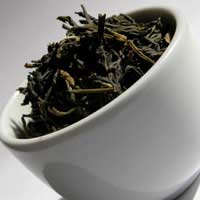
Similarly, tea and coffee are difficult to grow in the UK. Coffee requires high altitudes to grow, and tea requires even temperatures throughout the year, preferably with wet summers and dry winters (the opposite of the warm, dry summers and cold, wet winters of the British climate).
The cacao (cocoa) tree grows wild in the Brazilian rainforests, and is grown in plantations as near to the equator as possible to ensure the seed pods produce the best possible flavour. Therefore, even if you managed to grow a cacao tree in a heated greenhouse in your garden, the chocolate produced wouldn’t taste as good as that, which is grown on the plantations.
Tropical Fruits
While it isn’t completely unheard of to grow a banana tree and get a crop of bananas during a hot summer, it is unheard of to produce a crop of papaya, or coconuts. Both of these fruits grow on very tall trees, so it would be unpractical to grow them in the UK (your greenhouse would need to be huge).
You can, however, grow a range of tropical fruits in a greenhouse or polytunnel, and if you have a heated greenhouse you can grow and even greater range.
Greenhouse Growing
In a heated (or non-heated) greenhouse you can grow a wide range of crops that are impossible (or difficult) to grow outside in the British climate. Sweet potatoes, yams, mangoes, watermelons and pineapples are just some of the more exotic crops you can grow. You can also grow much higher yields of common crops such as tomatoes, cucumbers, peppers and aubergines, or try your hand at growing okra, oranges and lemons.
With a large plot and a greenhouse or polytunnel there is not much you can’t grow. Seeds can be tricked into thinking it is spring and germinated in heated propagators and tropical fruits can be raised in greenhouses that mimic the conditions they grow in naturally. However, to successfully grow these crops requires a lot f time and effort, so it is often better to concentrate on the crops you can grow with minimum effort, and factor everything else into your budget.




Thank you for the information on the growing of coffee and rice in this wet country. I have been thinking about doing some research into it,however,after reading the article I have decided to take the advice and conclusion from Kate Bradbury.”To successfully grow these crops requires a lot of time and effort, so it is often better to concentrate on the crops you can grow with minimum effort, and factor everything else into your budget”.thank you once again.
Thanks, having discussed today how little product we buy from anywhere other than the uk, i started to wonder about the possibility of British tea and coffee. Thanks for being there to answer my query. would still love to think that maybe one day some one will find a way.
Hello sharonboers – you might already know this but tea is grown here in britan down in Truro and I believe they sell plants as well.
Hey folks. Planning gping self sufficient next year. Was wondering how big an area I would need to keep myself going and 2 others for food and water. And any good energy sources for power. The power for running lights and occasional other things
I am looking for land to grow fruit, vegetables etc.not the council or government. Either farmers who are willing to share at the same cost of a council allotment. If it is a few pound more a year then fine but not over the top. Or someone with a large garden. I tried Crowdfunder which replaced Landshare but they are of no use. If you are not able to assist can you let me know who can? Thanks.
Can anyone recommend a hardy tea variant that might thrive in East Anglia?
Camellia sinensis – is grown at Tregothnan in Cornwall and you may wish to see the James Wong blog here which tells you the different teas grown in the different parts of the UK. It’s not as much about our climate that is at odds with growing tea as about choosing or naturally having the right soil. Tea needs to thrive is a bright sunny location and an ericaceous ‘acidic’ soil, moist soil in sun or partial/dappled shade. From there it is as much about the joy of experimenting to see what works best for your space.
Hi has anyone tried to grow coconut down south in uk
Coconut down south is lit man. I grow it every day it is great!